Homeopathic Care: A Holistic Approach to Healing
Homeopathy is a natural system of medicine that has been used worldwide for over 200 years. Developed by German physician Samuel Hahnemann in the late 18th century, homeopathy is based on the principle of "like cures like" - that a substance that causes symptoms in a healthy person can, in very small doses, treat similar symptoms in illness.
The Fundamental Principles of Homeopathy
- Law of Similars (like cures like)
- Law of Minimum Dose (extreme dilutions)
- Individualized Treatment (whole-person approach)
How Homeopathic Remedies Work
Homeopathic remedies are prepared through a process of serial dilution and succussion (vigorous shaking). This process is believed to release the healing energy of the substance while eliminating any toxic effects.
Remedies are typically derived from:
- Plants (e.g., Arnica montana, Belladonna)
- Minerals (e.g., Silica, Natrum muriaticum)
- Animals (e.g., Apis mellifica from honeybee)
- Other natural substances
Common Homeopathic Remedies and Their Uses
Arnica Montana
Used for: Bruises, muscle soreness, trauma, and shock
Origin: Derived from the mountain daisy plant
Nux Vomica
Used for: Digestive issues, hangovers, stress-related ailments
Origin: From the seeds of the strychnine tree
Chamomilla
Used for: Teething pain in children, irritability, sensitivity to pain
Origin: Made from German chamomile
Benefits of Homeopathic Care
- Gentle and non-invasive treatment
- Minimal side effects
- Individualized approach to health
- Can be used alongside conventional medicine
- Suitable for all ages, including infants and pregnant women
- Addresses root causes rather than just symptoms
- Holistic approach considers physical, emotional, and mental aspects
- Often more affordable than conventional treatments
Important Considerations
While homeopathy is generally considered safe, there are some important points to keep in mind:
- For serious or life-threatening conditions, consult a medical doctor immediately
- Homeopathic practitioners should be properly trained and certified
- Some remedies may interact with conventional medications
- The effectiveness of homeopathy is debated in the scientific community
- Proper storage of remedies is important (away from strong smells and sunlight)
Health and Wellness: A Comprehensive Guide to Better Living
Nutrition and Diet
Good nutrition is the cornerstone of a healthy lifestyle. The food we eat provides the energy, vitamins, and minerals necessary for our bodies to function properly. A balanced diet can help prevent chronic diseases, maintain a healthy weight, and improve overall well-being.
- Balanced Diet - A balanced diet includes a variety of foods from all the food groups, including fruits, vegetables, whole grains, lean proteins, and healthy fats. It's important to limit processed foods, added sugars, and sodium to maintain good health.
- Portion Control - Monitoring portion sizes is crucial to avoid overeating and maintain a healthy weight. Using smaller plates and being mindful of how much food you consume can help control your portions effectively.
- Hydration - Staying hydrated is vital for overall health. Water helps regulate body temperature, remove waste through urine, and maintain bodily functions. Aim to drink at least eight glasses of water per day.
Exercise and Physical Activity
Regular physical activity is crucial for maintaining good health and preventing chronic diseases such as heart disease, diabetes, and obesity. Exercise not only strengthens the body but also improves mental health by reducing stress and enhancing mood.
- Types of Exercise - Aim for a mix of aerobic exercises (like walking, running, swimming), strength training exercises (such as weightlifting), and flexibility exercises (like yoga and stretching). This combination helps improve cardiovascular health, muscle strength, and flexibility.
- Starting an Exercise Routine - Begin with activities you enjoy to make exercise a sustainable habit. Start slow with activities such as walking or gentle stretching, and gradually increase the intensity as your fitness level improves.
- Staying Motivated - Setting realistic goals, tracking your progress, and finding a workout buddy can help keep you motivated. Remember, consistency is key to achieving long-term results.
Mental Health and Well-being
Mental health is just as important as physical health for overall well-being. It affects how we think, feel, and behave. Taking care of your mental health involves finding ways to manage stress, build resilience, and maintain a positive outlook.
- Practice Mindfulness - Mindfulness techniques such as meditation, deep breathing, and yoga can help reduce stress and improve focus. These practices encourage being present in the moment, which can alleviate anxiety and depression symptoms.
- Healthy Coping Mechanisms - Finding healthy ways to cope with stress, such as talking to a friend, journaling, or engaging in a hobby, can help maintain good mental health. Avoid turning to unhealthy habits like excessive drinking or overeating to cope with stress.
- Seek Professional Help - If you're experiencing persistent feelings of sadness, anxiety, or stress, consider speaking with a mental health professional. Therapists, counselors, and support groups can offer valuable insights and strategies to cope with mental health challenges.
International Medical Research Resources
Connecting researchers with global medical knowledge
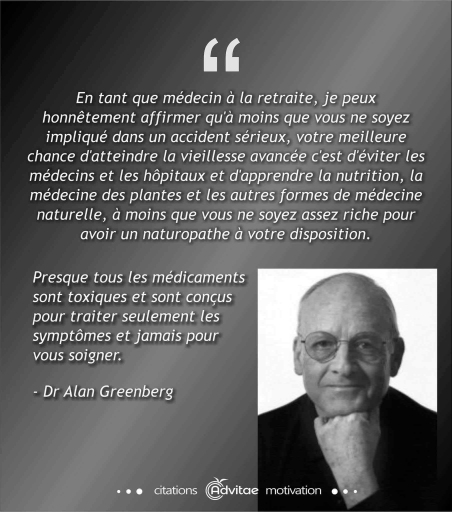
"As a retired physician, I can honestly say that unless you are involved in a serious accident, your best chance of reaching advanced age is to avoid doctors and hospitals and to learn nutrition, plant medicine and other forms of natural medicine, unless you are rich enough to have a naturopath at your disposal. Almost all drugs are toxic and are designed to treat only the symptoms and never to treat you."
- Dr. Alan Greenberg